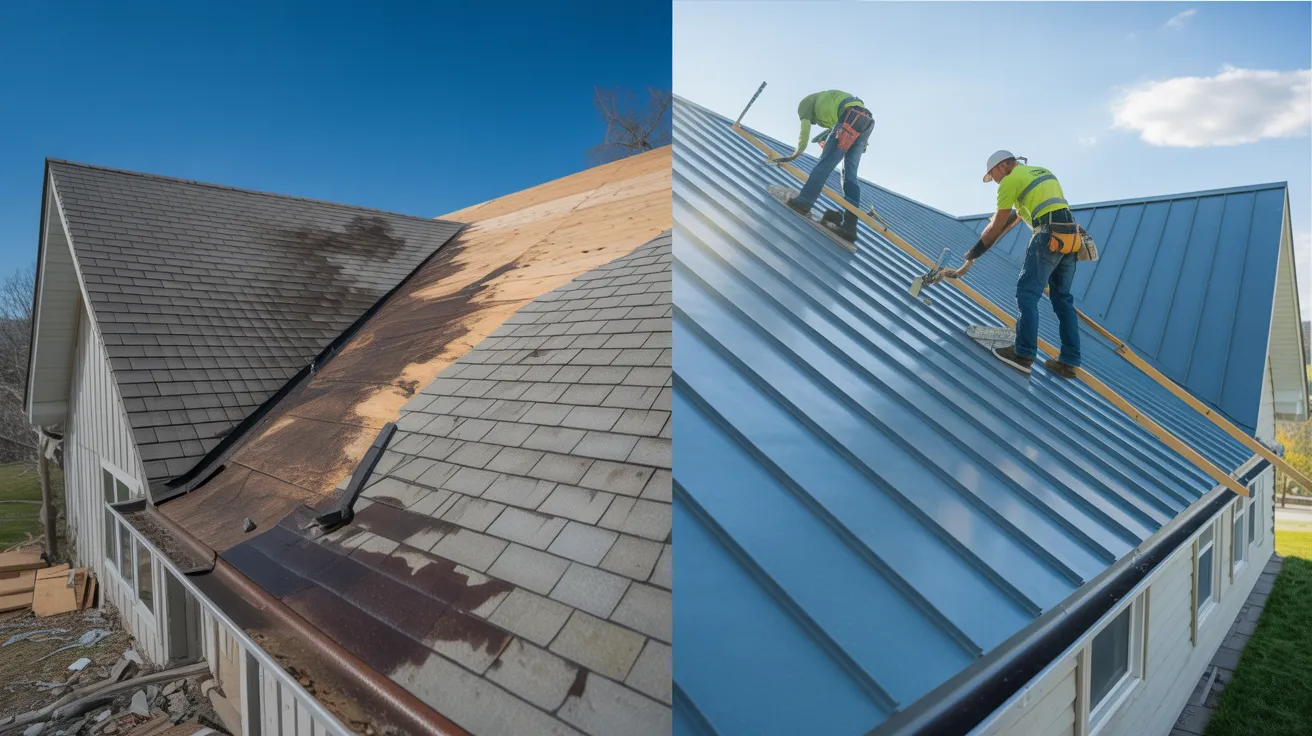
For Great Falls, roofing needs to endure strong ultraviolet, wind stress, snow loads, and thermal stress. Metal roofing delivers superior performance versus traditional asphalt through resisting impact, fire, uplift, and faster weathering, and clears snow much faster. Check for shingle cracks, flashing gaps, moisture entry, missing granules, and sagging areas in the aftermath of storms. An experienced skilled roofing contractor will review roof decking, underlayment, and ventilation systems, analyze storm damage, and suggest repair or full replacement considering durability and performance.
Essential Points
- Great Falls roofing must endure extreme sun exposure, powerful gusts, heavy snow, and freeze-thaw cycles that worsen leaks and cause structural failure.
- Metal roofing systems stay strong approximately 40-70 years, handle wind, fire damage, and impacts better versus standard asphalt, and shed snow most effectively.
- Standard shingles require lower upfront dollars yet decline faster often, suffering from curling, cracking, plus granule loss during Great Falls conditions.
- Red flags feature broken shingles, loose flashing, rusted valleys, discolored ceiling, attic condensation, plus damage from storms across various roof slopes.
- Great Falls roofing specialists offer roof inspections, leak diagnostics, storm repairs, emergency tarping, alongside expert metal roof installation with suitable underlayment and flashing.
Ways That Great Falls Weather Affects Roofing Systems
Since Great Falls receives harsh sun, strong wind, hail, substantial snowfall, and fast temperature fluctuations, your roof system deals with continuous stress that can cut operational life. Sunlight exposure parches roof elements, compromises protective coatings, and quickens wear. Wind raises edges, sends moisture within sensitive connections, and displaces flashing materials at penetrations.
Heavy snow place pressure, while ice dams hold back precipitation around the eaves and boost chances of leaking. Temperature cycling open tiny cracks, separate seam joints, and damage underlayment. Hailstones may bruise the surface, crack protective films, and uncover substrate materials to water penetration. You also encounter microclimate effects: south-facing sections warm quicker, shadowed sections remain moist more time, and wind-exposed sections wear harder. Periodic inspections allow you spot storm-related damage soon, protect drainage routes and extend service life across extreme seasonal swings.
Metal Roofing versus Shingles in Great Falls
Should you compare metal roof systems to asphalt shingles in Great Falls, the determination typically relies on climate protection, lifespan, maintenance, and long-term cost. Metal roofs resist impact, fire, and wind more than shingles, and they usually endure 40 to 70 years instead of 15 to 30.
In most cases, you'll commit more in the beginning for metal materials, however you may replace it less regularly and complete fewer maintenance needs. Typical shingles amount to less initially and supply basic spot repairs, despite the possibility that they can become curled, crack, or lose protective granules at a faster rate. Metal roofing systems facilitates effective snow drainage, which may lower snow collection when properly constructed with protective trim. Should you be planning for solar system installation, metal generally offers easier attachment alternatives and fewer necessary penetrations. The best option for you is determined by your budget, how many years you plan to stay, and your willingness to perform it
Why Metal Roofing Performs in Montana
Constructed for temperature fluctuations, powerful winds, abundant snow, and intense solar radiation, metal roof systems operates effectively in Montana's severe weather. Your property receive a system that handles thermal shifts, efficiently sheds moisture, and upholds building strength during freezing and thawing cycles. Interlocking metal sheets, hidden fasteners, and modern protective layers reduce uplift, corrosion, and sun damage.
You'll also benefit from excellent snow removal, which reduces static roof weight and protects roof framing. As metal roofing bounces radiation from the sun, it can lessen unwanted attic warmth during scorching, arid months. Minimal water absorption examine this material supports consistent function through ice and snow weather. Durability of metal roofing counts significantly in Montana, which means persistent weather impacts reduces the life of less robust materials. Through the use of quality underlayment, sufficient ventilation, and skilled installation, the roofing remains durable, efficient, and stable over many decades with minimal maintenance requirements.
Signals You Should Get Roof Repairs
Detecting roofing issues in time stops damage to structure, leaks indoors, and costlier replacements. Look for shingle breaks, lifted flashing, exposed hardware, rust spots in valleys, and broken sealant at vents, skylights, and chimneys. Throughout the interior, stay aware of ceiling discoloration, waterlogged insulation, mold colonies, or light penetration through decking.
Post-storm inspection should check for dent marks, moved materials, and granule shedding in gutters. Monitoring granule loss aids in spotting deteriorated asphalt sections before moisture gets through underlayment. Inadequate attic venting likewise causes warning indicators: extreme heat, frost, condensation buildup, and shingles curling ahead of schedule. If power consumption increases unexpectedly, humidity and heat problems could be hurting roof quality.
Schedule repairs when you notice drooping areas, persistent leaks, or unsecured fasteners. Fast intervention preserves decking, insulation, and interior finishes.
Roof Replacement Often Presents More Sense
You should assess roof replacement when severe weather damage affects extensive areas, damages structural components, or exceeds feasible repair costs. If you keep paying for repeated leaks, patch failures, or repeated service calls, new roof installation often gives you better long-term value. An older roof assembly near or past its expected lifespan can't protect your home reliably, although isolated repairs still seem possible.
Substantial Storm Damage
When a severe storm affects extensive areas of your roofing, a full replacement typically delivers better financial and structural value compared to multiple repairs. After hail aftermath, wind uplift, or branch punctures, you may experience damaged decking, saturated underlayment, and extensive shingle damage that repairs can't reliably isolate.
You require a system-level evaluation, not patchwork. Storm forces frequently damages seals, weakens fasteners, and creates hidden moisture paths near valleys, vents, and flashing. Even after debris removal, trapped water can continue degrading insulation and sheathing underneath. If deterioration impacts several slopes or exposes the roofing system, replacement restores uniform protection, regulatory compliance, and manufacturer-backed performance. It additionally enables you upgrade underlayment, ventilation, and impact-resistant materials so your next Great Falls storm won't compromise the same vulnerable areas once more.
Repeated Repair Costs
Frequently, recurring leak repairs, shingle replacements, and flashing fixes cost more over time compared to a planned roof replacement. When you're calling for maintenance each season, you're likely trapped in cost cycles that deplete your finances without addressing underlying deck, ventilation, or underlayment issues. Small patch jobs can restore temporary function, but they seldom deliver comprehensive performance.
You should evaluate yearly repair costs versus replacement pricing, rising labor costs, and material compatibility issues. Repeated fixes additionally generate warranty gaps, particularly when multiple contractors handle different sections or different product lines. Those gaps can leave you covering costs yourself if new problems appear near previous repairs. A full replacement gives you a single integrated system, consistent installation quality, and a cleaner maintenance schedule. Often, that reset lowers overall roofing expenses and reduces service disruptions markedly.
Deteriorating Roof Structures
aging occurs in roof structures, materials become brittle, fasteners pop loose, sealants fail, and drainage paths degrade, which raises leak probability and reduces wind and weather resistance. Common signs include brittle shingles, split membranes, oxidation at roof openings, and recurring leaks following storms
Roof replacement makes greater sense when assessments reveal moisture in the roof deck, widespread granule loss, insulation damage, or inadequate ventilation that intensifies thermal and moisture stress. You also need to take into account code upgrades, fastening capability, and flashing compatibility with modern materials. A full replacement lets you correct hidden defects, improve drainage, and install a system rated for current snow, hail, and wind demands. You'll spend more upfront, but you can minimize emergency restoration, interior damage, and comprehensive lifecycle expenses.
Great Falls Roofing Professionals Address Storm Damage
Harsh weather conditions may compromise roof systems within short durations, Great Falls roofing teams begin damage assessment with expedited systematic evaluation of shingles, flashing, underlayment, decking, and metal panels to uncover visible failures and hidden water paths.
Post-storm evaluation results, you obtain thorough documentation of damage levels, moisture problems, and structural concerns. After evaluating storm impact, detailed records of damage, moisture, and structural risks is created. Debris clearing begins first to halt further surface harm and preserve drainage function. Exposed zones get tarped, holes are patched, raised shingles are repositioned, flashings are tightened, and fastener reliability on steel areas is confirmed. When water enters the deck, saturation assessment, layer separation review, and mold identification precedes repair authorization. Photo evidence and dimensional records back claim submissions and help focus on vital stabilization over cosmetic restoration.
What Happens During Metal Roof Installation
Beginning with removal and ending with finishing trim, metal roof setup follow strict procedural order protecting homes and supporting system functionality. Old roofing removal takes place first, deck inspection is performed, and damaged sections gets replaced. Confirmation of pitch, measurements, air flow paths, and attachment areas occurs subsequently to achieve proper installation.
Afterward, edge trim materials, moisture barriers, and underlayment choice are determined by weather conditions, pitch specifications, and regulatory compliance. From a square starting reference, panels are attached using manufacturer-specified spacing. For seam-locked systems designs, vertical elements are secured firmly and aligned consistently channeling water flow and allowing for thermal movement. In final steps, openings are flashed, cap and edge trim are placed, critical junctures are sealed, and a final walkthrough with checklist confirms weatherproofing and looks.
Services professional roof Experts Deliver
For both small fixes or full replacements, Great Falls roof professionals commonly perform inspections, leak detection, weather damage repairs, roof recovery, new roof setup, and preventive maintenance for commercial and residential structures.
In addition to core services, you can employ them for flashing installations, ventilation corrections, gutter setup, skylight maintenance, and ice dam mitigation. When wind or hail exposes decking, they will perform emergency tarping to minimize water damage until permanent repairs begin. For mature systems, they inspect underlayment condition, fasteners, penetrations, and drainage systems, then suggest focused repairs or complete replacement when appropriate. Several contractors maintain asphalt shingles, metal standing seam, membrane roofing, and protective coatings. They may photograph losses for insurance purposes and plan seasonal maintenance to identify sealant damage, corrosive damage, loose panels, and clogged valleys before such problems compromise your roof lifespan.
Picking the Right local Roofing Contractor
Before choosing a Great Falls roofer, ensure they hold proper licensure and maintain valid workers' compensation and liability insurance. Subsequently, compare their materials they advise so you to compare performance metrics, lifespan, and price with the undertaking. Additionally to evaluate their experience in the area, since companies knowledgeable about Great Falls weather patterns and code standards often deliver more dependable results.
Verify Licensing And Insurance
Before finalizing any contract in Great Falls, check the roofer possesses the mandated Montana roofing license and has general liability insurance and workers' compensation coverage. Don't rely on oral assurances. Ask for their licensing information, company name, and insurance information, subsequently conduct licensed verification through state registration records and local registration records. Verify the business name across all file.
To confirm policy verification, demand that certificates be issued directly by the insurer or agent. Verify policy details, coverage dates, policy limits, and policy exclusions. Confirm that workers' compensation protects all crew member working
Evaluate roofing options
Since Great Falls roofs endure hail, strong winds, heavy snow, and dramatic temperature changes, you should evaluate materials based on performance, service life, maintenance demands, and total installed cost—not simply the bid price.
Asphalt shingles usually offer the lowest installation cost, but impact ratings, wind coverage warranties, and granule deterioration matter. Metal costs more upfront, yet it sheds snow, offers fire resistance, and can deliver better energy efficiency through reflective coatings. Synthetic slate and composite shingles reduce weight while improving impact resistance, though material quality varies. Ask for product specifications on Class 4 impact resistance, wind resistance, ice dam prevention, and anticipated longevity. You should also compare underlayment systems, ventilation requirements, fastening specifications, and repair accessibility. A less expensive roof can cost more later if it deteriorates prematurely or needs frequent storm-related maintenance and replacement.
Evaluate local experience
Material decision matters, and the roofer's regional track record frequently determines roof performance that installation performs in Great Falls. You should check the timeframe a contractor has operated in the area and whether they've managed hail, snow load, chinook winds, and freeze-thaw cycles on matching properties. Regional experience shows if teams know ventilation, ice dam prevention, flashing details, and code requirements specific to Cascade County.
Seek addresses of completed projects, then inspect workmanship from the street level. Examine Contractor testimonials for patterns: promptness, jobsite cleaning, warranty handling, and estimate accuracy. You also need to confirm supplier relationships and local permit knowledge, since veteran local roofers source materials readily and resolve inspections speedily. A contractor who has demonstrated Great Falls experience reduces installation danger and strengthens roof durability long-term for your property.
Standard Roofing FAQs
Do Great Falls Roofers Offer payment plans for replacement Roofs?
Yes, several Great Falls roofers offer financing options for new roofs. You typically choose payment plans from the contractor or a third-party lender. Expect terms based on installation expense, loan duration, and your credit history. Most lenders require credit checks before approval, and some provide promotional rates for eligible applicants. You should evaluate APR, fees, down payment requirements, and prepayment terms before agreeing to any roofing financing agreement.
Do roofing estimates in Great Falls usually come at no cost?
Yes, roofing estimates in Great Falls are usually without charge, especially when contractors give free inspections for repairs or replacements. You should expect a written estimate that breaks down materials, labor, timeline, and cost breakdowns. Some companies may invoice for detailed reports, specialty diagnostics, or insurance documentation. Before you schedule, inquire about what the estimate covers, whether inspections are complimentary, and if extra charges apply to complex roof conditions or access.
What is the typical duration of roofing warranties in Great Falls?
Like a seatbelt for your roof, warranties in Great Falls usually last 20–50 years for Manufacturer warranties, depending on material and product tier. You'll often get Labor warranties for 2–10 years, though some contractors provide longer coverage. You should confirm what's prorated, transferable, and excluded, especially for wind, ventilation, and installation errors. Review the fine print so you realize exactly what protection you're actually getting before signing.
Can you schedule roof work during winter in Great Falls?
Yes, you can arrange roof work during winter in Great Falls, but you'll need flexible weather scheduling. You can complete Winter repairs safely when contractors track temperature, wind, ice, and material management limits. You should expect delays during storms or extreme cold. Clearing snow often comes first so professionals can access decking, locate leaks, and fasten flashing. You'll achieve better results when you arrange early and be flexible with scheduling windows.
Do Great Falls roofing companies help with insurance paperwork?
Yes, many roofing services in Great Falls aid you with insurance documentation after storm or impact damage. You'll often get insurance assistance through documented inspections, photographic evidence, scope summaries, and estimate comparisons. They may also aid claim coordination by meeting with adjusters, specifying repair quantities, and corresponding line items to policy coverage. You should still examine your claim carefully, because your insurer authorizes payment terms, depreciation, deductibles, and final settlement amounts.
Conclusion
In Great Falls, your roofing structure has to withstand wind, snow, hail, and fast temperature changes without deteriorating. That's why finding the roofing contractor matters. Metal roofing stands out because it can last 40–70 years—often 2 to 3 times longer than standard asphalt shingles. When you act early on repairs or replacement, you safeguard your home, reduce extended costs, and improve performance. Work with Great Falls roofing contractors who know local environmental factors and place systems constructed to persist.